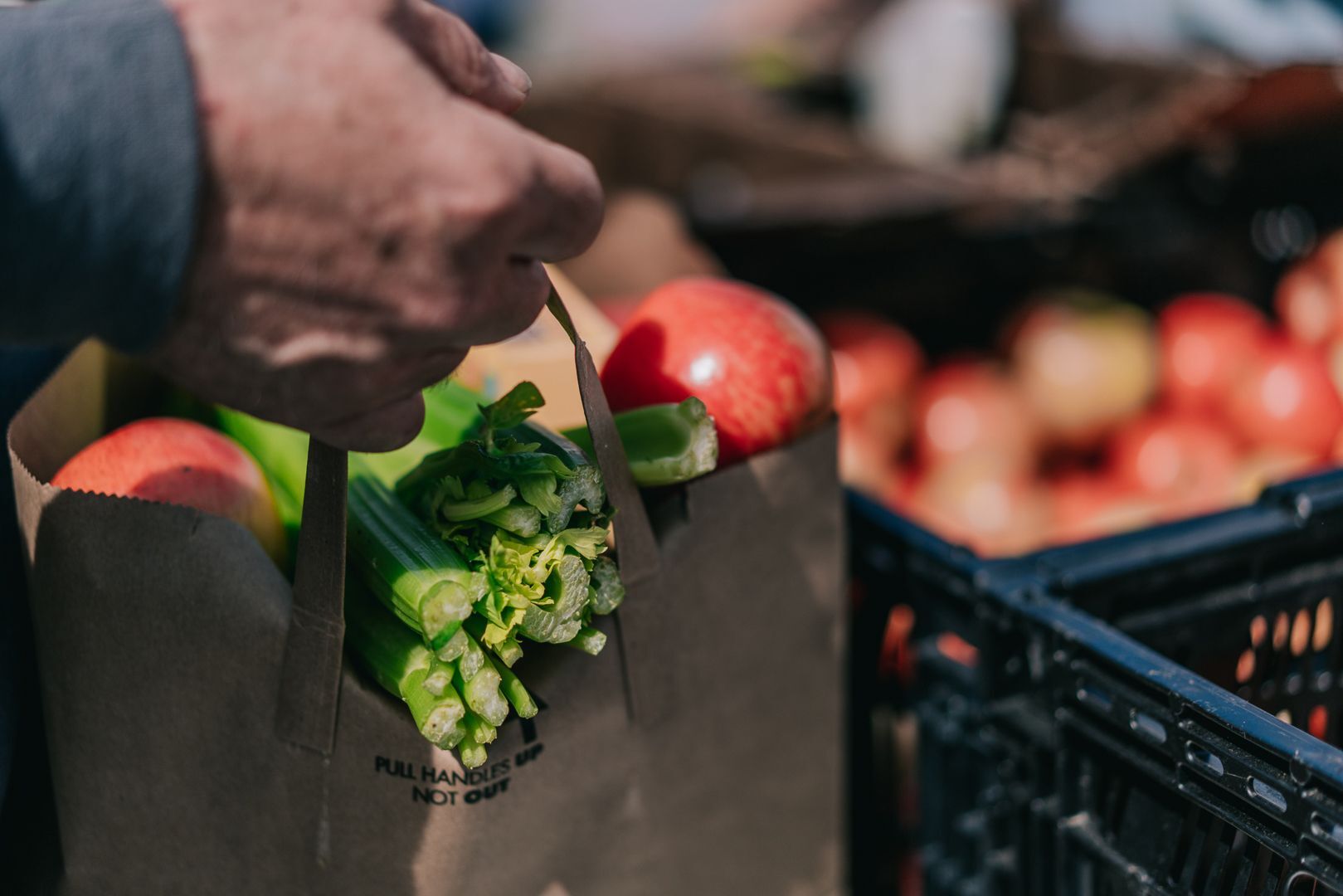

The Redwood Empire Food Bank’s Grocery Recovery Program has become one of Sonoma County’s most powerful tools against hunger and waste, turning surplus supermarket food into millions of meals each year. In 2025, that effort rescued more food than ever before, delivering highly desirable groceries from local retailers to families across five counties at no cost to those in need.
A Lifeline in a Tough Year
In a year marked by rising costs and strained household budgets, local grocery partners stepped up their support for the Redwood Empire Food Bank. Through the Grocery Recovery Program (GRP), the food bank rescued 4.87 million pounds of food in 2025, up from 3.74 million pounds in 2024—a 30% increase that translated to a total of 4 million meals for the community. The Grocery Recovery Program now stands alongside other donated and purchased food as a major channel in the food bank’s sourcing plan, combining rescued, donated, and purchased products. In addition to food rescued through Grocery Recovery routes, the food bank received another 5 million pounds of donated food in 2025, including contributions from many of the same retailers and manufacturers that support its recovery efforts.
How Grocery Recovery Works
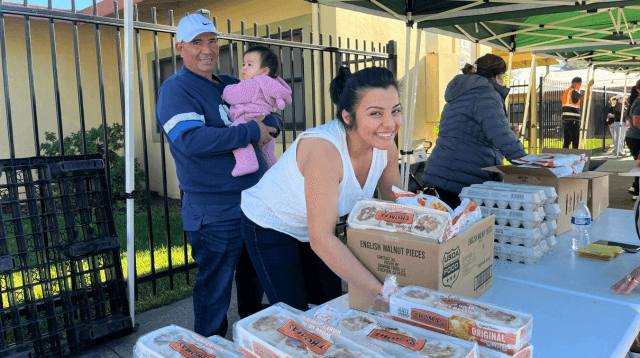
Each day, the Redwood Empire Food Bank and its partners visit local grocery stores to collect food that is perfectly good to eat but no longer intended for retail sale. Once recovered, these groceries are quickly sorted, kept at safe temperatures, and routed either through the food bank’s own distributions or directly to community partners so they reach households while still at peak quality.
Cherished Partnerships with Local Grocers
The Redwood Empire Food Bank now works with 58 grocery recovery partners in Sonoma County alone, making the food bank a go‑to solution for retailers with surplus edible food. Top supporters include Costco, Grocery Outlet, Lucky, Oliver’s Market, Raley’s, Safeway, Sprouts, Target, Trader Joe’s, and Whole Foods Market, reflecting deep relationships with nearly every major banner in the region. These donor relationships are built on trust, responsiveness, and a shared commitment to keeping good food in the community rather than letting it go to waste.
Balance on the Plate, Value on the Dollar
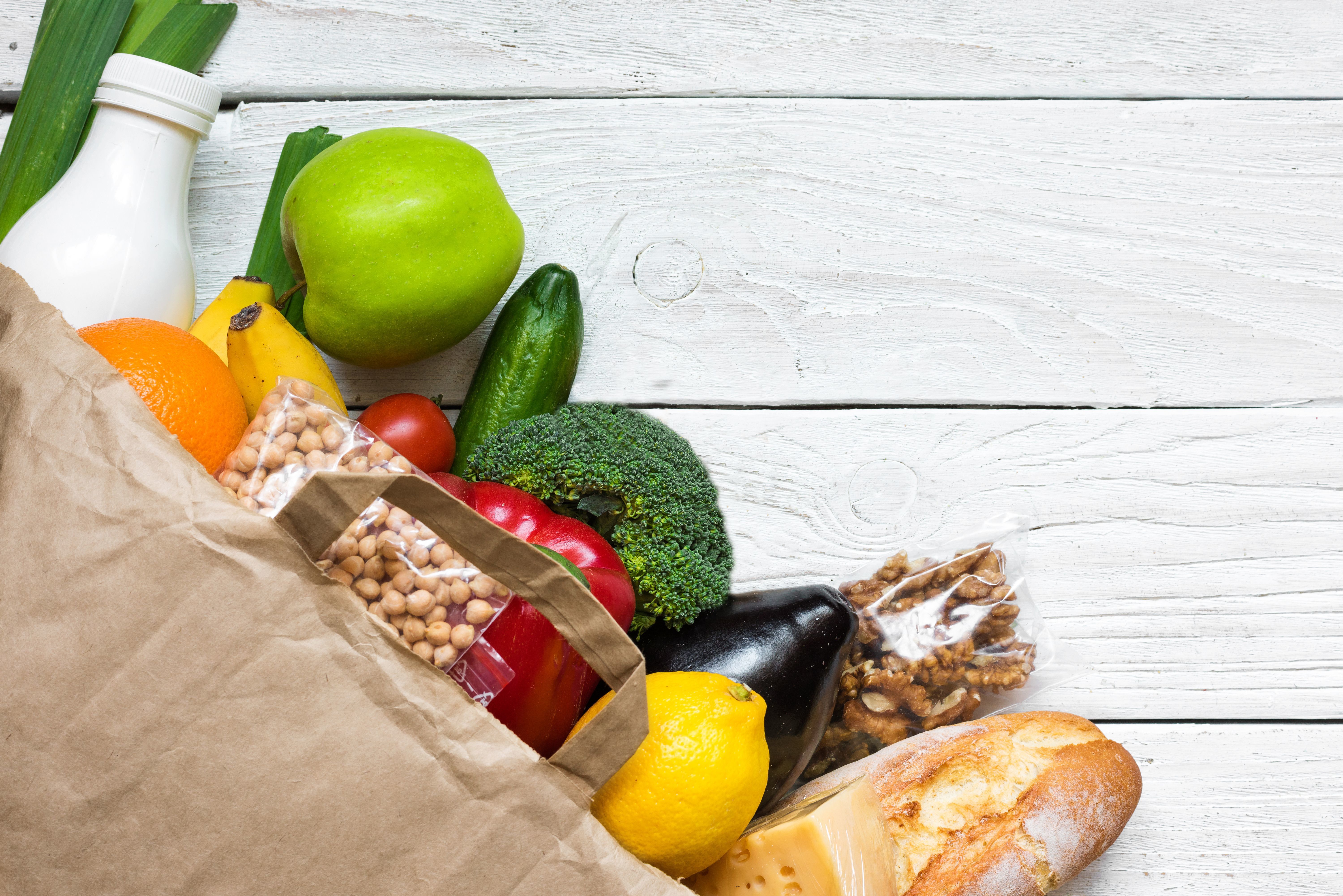
The Grocery Recovery Program brings in a wide range of fresh, high‑demand foods that add balance and dignity to the plate. In 2025, recovered product included everything from fresh produce to prepared meals (see “What’s on the plate”, right). These are the same brand‑ name staples and fresh ingredients shoppers would find in store aisles, now available at no cost to neighbors facing food insecurity. By rescuing this inventory instead of purchasing it, the Redwood Empire Food Bank effectively stretched donor dollars by an estimated retail value of $8.2 million in groceries in 2025 alone.
Environmental Gains, Local Benefits
The environmental impact of saving edible food at this scale is equally striking. By preventing millions of pounds of surplus food from entering landfills, the Grocery Recovery Program helped avoid an estimated 2,400 metric tons of carbon dioxide emissions in 2025—the equivalent of 1.5 million miles driven by an average gasoline‑powered passenger vehicle. The water embedded in that food—about 326 million gallons—is equal to roughly 494 Olympic‑size swimming pools, underscoring the hidden resources preserved each time surplus groceries are kept in the food system instead of discarded. Economists estimate the avoided future economic damages from these emissions, often referred to as the social cost of carbon, at over $700,000 in 2025, amplifying the impact of every pound recovered.